Blog Layout

All You Need to Know About Industrial Painting: Applications and Techniques

Admin • Feb 17, 2023

Industrial painting is a procedure used to protect metal surfaces from corrosion and other environmental factors. It can be applied in various ways, depending on the surface that needs to be painted and the desired outcome. In this blog post, we will discuss the different applications and techniques for industrial painting, as well as the benefits of each. We will also deliver tips on choosing the right painter for your business!

Heavy machinery crane lifts professional painters up side of building to paint new blue colour in Hobart TAS.

What is industrial painting, and what are its applications?

Industrial painting is a process in which a paint or coating material is applied to a metal surface to protect it from corrosion. The most common type of industrial paint is an epoxy-based coating used in a two-step process. First, a primer is applied to the metal surface to improve the adhesion of the topcoat. Once the primer has cured, the coat is applied and left to dry. Industrial paints are typically used in environments with a high risk of corrosion, such as chemical plants or oil refineries. In addition, they are often used in food processing facilities due to their ability to resist bacterial growth. Industrial paints can also be used for aesthetic purposes, such as in painting bridges or buildings.


What are the different practices that can be used for industrial painting?

Industrial painting covers many applications, from protecting steelwork from corrosion to painting the inside of storage tanks. The type of paint and the application method will vary depending on the substrate and the environment. For example, a high-build primer is often used to protect against corrosion when painting structural steel; a topcoat of an appropriate colour follows this. However, a different set of products may be used when painting the interior of a storage tank. First, the tank must be cleaned and Roughened to provide a key for the paint. A suitable primer is then applied, followed by one or more coats of an epoxy paint system. These are just two samples of the many different industrial painting applications. Choosing the right products and application methods for each project is essential, with many variables.


What are the benefits of industrial painting?

There are many facets to consider regarding commercial and industrial painting projects. First and foremost, the type of paint to be used must be carefully selected to ensure that it will resist the rigours of the environment. For example, if a building is located near the ocean, it will need to withstand salt spray and high humidity levels. In addition, the paint must be able to resist fading from UV exposure. Whether planning a repainting project or new construction, working with a professional industrial painting company can help you select the right paint and get the job done efficiently. In addition to protecting your investment, a fresh coat of paint can also help to improve employee morale and make your business more attractive to customers. Consider these benefits when planning your next commercial or industrial painting project.


How to choose the right paint and applicators for your project?

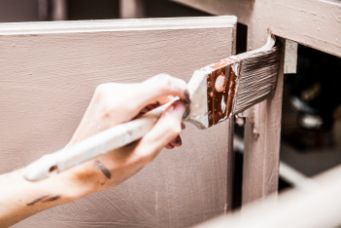
Painting is a popular do-it-yourself project for many homeowners. But before you start painting, choosing the right paint and applicators for your project is essential. The paint type will depend on your painting surface and the look you want to achieve. For example, if you're painting a kitchen counter, you'll need a different type of paint than if you're painting a living room wall. As for applicators, brushes, rollers, and sprays have advantages and disadvantages. You'll need to consider your project and decide which applicator will give you the best results. With the right paint and applicators, your project will succeed!


How to choose the best painter for your business?

When it comes to industrial painting, there are a few things that you need to take into consideration. The first is the type of product that you will be painting; this will determine the type of paint you need to use. The second is the project size; industrial painting projects can range from very small to large. The third is the budget. You need to ensure that you get the best value for your money. When choosing a painter, you must ensure they have experience with your project type. You also want to ensure they are insured and bonded; this will protect you in any accidents. Finally, you want to ensure that you feel comfortable with the painter. You should be able to ask them questions and get reasonable answers. If you consider these facets, you should be able to find a painter that meets all of your needs.


Tips for achieving the best results

Industrial painting involves using high-quality, durable paint to cover surfaces in factories, warehouses and other large commercial buildings. The key to reaching the best results with industrial painting is to prepare the surface properly and use the correct type of paint:

  1. The surface must be cleansed thoroughly to remove any dirt, dust or other debris. Once the surface is sterile, a primer should be applied to help the paint adhere better.
  2. Choose a paint designed for use in industrial settings. These paints are typically more resistant to wear and tear and can withstand high temperatures and humidity.
  3.  Follow the factory's instructions carefully to ensure the paint is applied correctly.


By taking these steps, you can achieve professional-looking results that will last for years.


Properly applied industrial painting is an integral part of any business. By following the tips in this blog post, you can ensure that your painting project goes as smoothly as possible and that your business looks its best. It can be time-consuming, but hiring professional painters is always an option if you need more time or resources to do it yourself.


If you require a professional industrial painting contractor, contact us today. We have years of experience in the industry and can help you select the right paint and applicators for your project. We also offer an expansive range of services, including budget painting, to get the best results for your money. Contact us today at  03 6144 4081 to learn more!

estimated_quoteArtboard 3
Free Instant Quote
***plus free bonus coupon***

Contact Us

You might also like
By Admin 06 Mar, 2023
When it comes to painting the interior or exterior of a building, homeowners and business owners often hire professional painters to handle the job. However, not all painters are the same – some specialise in painting houses, and others specialise in painting commercial buildings. In this post, we'll delve into the differences between house painters and commercial painters, so you can decide when to hire a painter for your project.
By Admin 02 Feb, 2023
Exterior paintwork is an excellent approach to boosting the appeal of your home. But for the project to go as smoothly as possible, you can do a few things to prepare your home for painting. Here are five tips to help make the process easier and less stressful! Clean the surface of your home's exterior. This will help the paint to better adhere to the surface and allow you to more easily identify any areas that need to be repaired before painting. Repair any damage to the exterior of your home. This includes fixing cracks, chips, or other imperfections on the surface. Remove any loose paint from the surface of your home. This will ensure that the new colour has a smooth surface to adhere to. Prime the surface of your home's exterior. This will help improve the paint's adhesion and provide a barrier between the old paint and the new paint. Choose the right paint for the job. Choosing a pigment appropriate for the material of your home's exterior and the weather in which you reside is an important step. By following these tips, you can be sure that your home's exterior painting project will go off without a hitch! Maintenance Tips Caring for your newly painted home is vital to ensure that the paint job lasts as long as possible. Here are five tips you can do: Keep your home clean . Dust and dirt can damage the paint, so keep it free of debris. Avoid washing your windows for at least two weeks . This will give the paint time to cure and prevent any damage caused by water. Be careful when using power washers or pressure cleaners around your home . The high-pressure water can strip away the paint if you're not careful. If you have trees or bushes on your property, trim them back before painting . This will help prevent leaves or branches from brushing against the wet paint and ruining the finish. Finally, remember to touch up any weather or insects damaged areas . These minor repairs will keep your home looking its best for years to come! Exterior painting is a great way to improve your home's curb appeal, but taking the necessary precautions before starting the project is essential. Following these five suggestions can help you avoid delays and guarantee that your paint job lasts a long time! Please don't hesitate to contact us at  03 6144 4081  if you have any questions or want to learn more about our exterior painting services. We'd be delighted to help!
By Admin 19 Jan, 2023
To paint your kitchen cabinets, you must know what paint is best for the job. There are many types of colours to choose from, including oil-based paint, latex paint, satin and eggshell paint, and more. You will also need to know what finish your paint should have. These include semi-gloss, satin, and eggshell. Oil-based paints Choosing the right kitchen cabinet paint is a crucial decision. You want to find something that will look good on your cabinets and last a long time. Fortunately, there are a variety of choices. When choosing a colour, it is essential to consider your climate and overall colour scheme. The colour of your cabinets should complement the rest of your house. A light shade will be easier to clean, while a very dark colour will show wear faster. It is also essential to select a paint that can withstand kitchen demands. Oil-based and water-based are the two main types of paint you can use. Oil-based will give you the most durable finish. However, it will take longer to dry than water-based paint. The first step to painting your kitchen cabinets is to prep the wood surfaces. This will allow the paint to bond to the surface better and help prevent blotchy spots. Oil-based paints are best used on wooden kitchen cabinets. If the cabinet is made of MDF, it is recommended to use an oil-based primer before applying the paint. Oil-based paints should be applied in a well-ventilated area. To keep the surface dry, it is an excellent idea to let the paint cure for a day before applying another coat. Once the paint has cured, you should remove any excess dust and debris. Make sure to protect your cabinet doors with a drop cloth. Also, make sure to clean your brushes and rollers thoroughly. If you are using latex-based paint, you need to be extra careful. Latex paints dry very quickly. Oil-based paints are less durable than they are, and you will need more touch-ups in high-traffic areas. When you are ready to paint your kitchen cabinets, pick a paint that can withstand the kitchen's harsh environment. You want to avoid ending up with a paint job that will fade in a few months. Instead, choose a finish that will be resistant to staining, scratching, and moisture. Whether oil-based or water-based, many different paint options are available. Whether you want a classic white or a funky hue, you can find the correct paint for your kitchen. Oil-based vs latex paints In terms of painting kitchen cabinets, oil-based paint and latex paint are two of the most popular types of paint. Both offer good finishes, but there are a few differences that you should know about before you decide. Oil-based paint is an older type of paint that used to be preferred by many professional painters. It is less flammable, has a longer lifespan, and gives a smoother finish. The downside is that it is more prone to cracking and discolouration. Also, it requires special care and disposal. On the other hand, latex paint is easier to apply, dries faster, and is not as thick and sticky. This makes it a good choice for people who dislike using a paint thinner. Aside from being easier to work with, it also offers low VOCs. One of the drawbacks of using oil-based paint is that it is flammable and should be handled with special precautions. To prevent damage to the wood, the surface should be thoroughly cleaned before applying the paint. You should also make sure that the cabinet is well-ventilated. Another issue to remember is that water-based paint can be applied manually, while oil-based paint requires a spray gun. When choosing between the two, choosing the right type of paint is essential to protect the wood from scratches and stains. Alkyd paints are another option. They are also made from synthetic resins but have the advantage of being tougher. However, they tend to be yellow and take longer to dry. They are cheaper, too. If you need help determining which paint to use, you should test it first. You can save yourself a lot of time and elbow grease by trying your colour. Depending on the brand of paint you purchase, you'll have different VOC levels. Lower-VOC colours will have less of an offensive odour and will be more environmentally friendly. Oil-based paint is best suited for wooden kitchen cabinets. However, getting a smooth finish with the colour can be challenging. If you get the wrong colour, you'll need to refinish it more frequently. Satin or eggshell paints There are two primary choices if you want to paint your kitchen cabinets. You can either go with a satin or eggshell finish. The difference between the two is vital to your project. Both finishes offer the same benefits, but you'll need to consider your preferences and space before choosing a finish. Eggshell is a popular choice for many reasons. It is easier to clean than satin and more resistant to scratches. However, it is more prone to imperfections, making it look less attractive than satin. Whether you choose an eggshell or satin finish depends on what you want. Satin is ideal for rooms with a lot of foot traffic, while eggshell is perfect for areas with less traffic. Eggshell is also known to work well on slatted wood, stucco, and various siding types. This makes it a good option for newbies to the painting game. On the other hand, satin is better for high-traffic rooms, like the kitchen. Although there are similarities between eggshells and satin, knowing which is best for your particular project is also essential. While both can hide imperfections, satin is more effective in that department. And while satin is cheaper than eggshell, it still is a viable option. You might prefer to hire a professional if you're starting on a DIY project. A professional painter can apply a finish with greater accuracy and ensure that the doorways and cabinets are painted with no blemishes. While both satin and eggshell paints are suitable for interior woodwork, satin is generally more durable than eggshells. This is because it has a higher gloss level, which makes it easier to wipe away dirt. Because of its durability, satin is often used for outdoor projects. You can even use satin on your patio. But before you decide on a finish, select the suitable paints to fit your specific needs. If you need help deciding which to finish using, you can ask a professional painter or local paint store. Semi-gloss When it comes to painting kitchen cabinets, you have a few options. You can choose between satin, semi-gloss and high gloss. The best choice for your home will depend on your personal preferences. It will also be based on the use your cabinets receive. For example, consider a semi-gloss finish if you live in a humid environment. Semi-gloss paint is one of the most popular options for kitchen cabinets. This type of paint is shinier than satin but less polished than a high gloss. In addition, semi-gloss paint has a nice visual contrast between the trim and the wall. Another advantage to using semi-gloss paint is that it is easy to clean. Although it may not be as forgiving as satin paint, it is easier to wipe away smudges and scratches. However, a painted surface's durability depends on the paint's quality, the formula used, and the number of coats. If you buy a new colour, pick a brand formulated to resist scratching. If you plan to paint your kitchen cabinets yourself, remember that you will need to prepare the cabinet before painting. Before you start, you'll need to remove any hardware, clean the cabinet doors and drawers, and label the drawers. Also, you'll need to remove any clutter from the space. It would be best if you also took the time to ensure that the cabinets are completely dry before you begin the painting process. This will help to prevent chipping. Additionally, it will also allow the paint to stick better. Lastly, if you're planning on painting your kitchen cabinets yourself, be sure to use high-quality paint. Buying cheap paint will only get you poor coverage and a duller finish. An excellent way to determine which paint to use is to ask for professional advice. Your paint expert will be able to suggest a finish that's ideal for your kitchen. Choosing a paint finish for your kitchen is a complex task. Make sure you pick a colour that complements your countertops, flooring, and overall colour scheme. We hope this post has answered your question on what kind of paint to use on kitchen cabinets. If you have any other questions or concerns about painting kitchen cabinets or any wood painting in Hobart , please call us anytime at  03 6144 4081  . We're happy to help and look forward to hearing from you!
More Posts
Share by: